There is a hush that settles over Aman Kyoto the moment you arrive—like stepping into a private poem written in cedar and stone. The villas, tucked into a forested hillside, are designed for stillness: moss gardens glowing chartreuse after rain, river stones warming beneath afternoon light, and floor-to-ceiling windows that frame nothing but green. “Boutique bliss” here is not a marketing phrase; it’s a felt experience—of space, of quiet, of meticulous hospitality that anticipates what you want before you ask. In a city celebrated for shrines and artisans, these villas become your own atelier of calm.
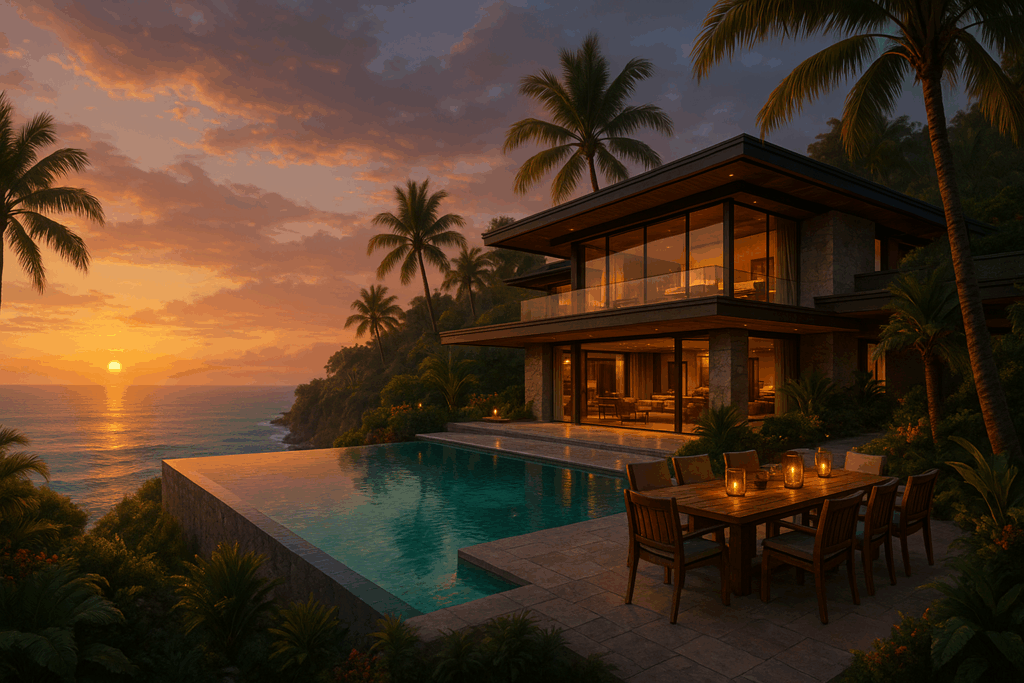
Moss-Garden Sanctuary
Each villa opens to a tapestry of moss, maple, and pine that looks hand-painted by nature. Sliding doors guide you to a private terrace where the air smells faintly of hinoki and wet earth. Morning tea tastes different when sipped outdoors as the forest wakes—birds sketching soft notes above, a breeze lifting the linen curtains. This is the first promise of Aman Kyoto: uninterrupted privacy within a living garden, so serene you instinctively lower your voice.
Refined Japanese Minimalism
Inside, the palette is light and honest—wood, paper, stone—arranged with the restraint that Japan does best. Lines are clean, corners soft, textures intentional. Tatami-inspired patterns meet smooth black slate; a deep soaking tub invites unhurried baths; lighting glows at the level of candlelight, never glaring. The design is not showy; it’s sensory. You feel it in the weight of the teacup, the quiet glide of a shoji panel, the way slippers are already aligned to your stride.
Forest-to-Table Dining
Dining at Aman Kyoto is a seasonal conversation. Breakfast arrives as a beautifully composed tray: grilled fish, pickles, miso, soft rice steaming in a clay pot. By night, a modern kaiseki unfolds—river vegetables, wild mushrooms, delicate sashimi, charcoal-kissed wagyu—each course plated like a scroll. The culinary team sources from local farms and foragers, so flavors are precise and grounded. Pair your meal with sake curated from small Kyoto breweries, or ask for a tea pairing to mirror the forest outside.
Rituals of the Seasons
Kyoto is defined by its seasons, and your villa lets you live them intimately. Spring brushes the trees with tender sakura; you can arrange a private hanami picnic among the petals. Summer brings longer twilights and evening cicadas, best enjoyed from the terrace after a cool bath. Autumn sets the maples on fire—crimson, copper, persimmon—turning every path into a cinematic walk. Winter quiets everything; frost traces the stones, and a hot tub becomes its own ceremony.
Wellness in the Woods
The spa philosophy is meditative rather than indulgent. Treatments draw on Japanese botanicals—green tea, kuromoji, forest oils—delivered with feather-light precision. Morning yoga on the pavilion deck works like a reset button; guided forest bathing slows your breathing to the tempo of the trees. If you wish, a tea master can introduce you to the gentle choreography of a chado ceremony, where attention itself becomes a form of rest.
Kyoto at Your Doorstep
From your sanctuary, the city’s treasures are within easy reach. Legendary temples, bamboo groves, artisan workshops producing everything from hand-dyed textiles to lacquerware—concierge can craft an itinerary that matches your energy. Return just before dusk to your villa’s candlelit calm, where the staff has already warmed the bath and drawn the curtains to frame a single maple in the blue hour.
Q&A and Nearby Recommendations
Q: Is Aman Kyoto suitable for couples seeking privacy?
A: Absolutely. Freestanding layouts, private terraces, and discreet service make it ideal for honeymoons and anniversaries.
Q: What experiences are a must-try?
A: A seasonal kaiseki dinner, a guided temple walk at first light, forest bathing in the estate, and an evening tea ceremony for two.
Q: What other luxury stays in Kyoto should I consider?
A:
• The Ritz-Carlton, Kyoto — riverside elegance with refined dining and art-forward interiors.
• Four Seasons Hotel Kyoto — tranquil pond garden and contemporary suites near historic temples.
• Park Hyatt Kyoto — intimate hillside setting with cinematic city views.
• Suiran, a Luxury Collection Hotel, Kyoto — Arashiyama retreat with riverscape serenity.
• Hiiragiya Ryokan — a historic ryokan for a classic tatami experience and kaiseki tradition.
Q: Is it family-friendly?
A: Yes—multi-room configurations, gentle walking paths, and cultural activities (calligraphy, tea, craft workshops) keep everyone engaged.
Q: When is the best time to visit?
A: Autumn (for maple foliage) and spring (for cherry blossoms) are unforgettable; winter offers the most privacy and a magical stillness.
Conclusion: Your Private Kyoto, Perfected
Staying at Aman Kyoto Luxury Villas feels like receiving a beautifully wrapped Kyoto—its forests, flavors, and rituals—delivered to your door with faultless grace. You’re not simply near the city’s heritage; you inhabit it, in a villa that calibrates every detail toward ease. From moss-bright mornings to lantern-soft nights, this is boutique bliss distilled: an exclusive, deeply personal Kyoto that lingers long after you slip your sandals off for the last time.